
IVF Treatment in Noida Personalised IVF treatment and fertility care for couples trying to conceive
If you have been trying to conceive without success, have blocked fallopian tubes, male-factor infertility, reduced ovarian reserve, endometriosis, unexplained infertility, or previous unsuccessful fertility treatment, IVF treatment in Noida may be one of the options your fertility specialist discusses with you.
What is IVF Treatment?
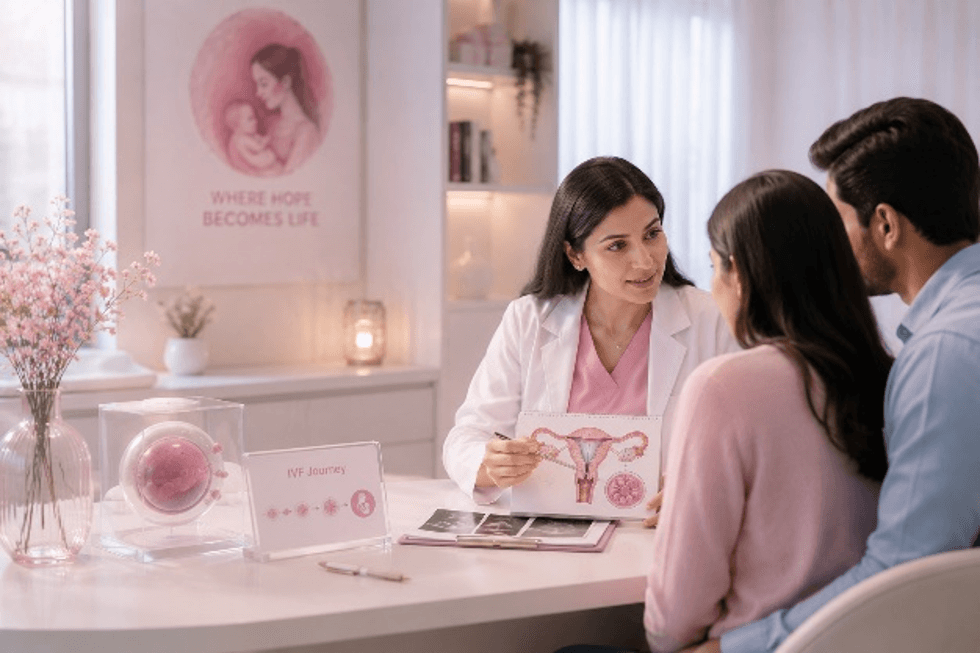
IVF stands for In Vitro Fertilisation. It is an assisted reproductive treatment in which eggs are collected from the ovaries and fertilised with sperm in an embryology laboratory. The resulting embryos are monitored for development, and a suitable embryo may later be transferred into the uterus.
A typical IVF cycle may involve fertility evaluation, ovarian stimulation, ultrasound monitoring, trigger injection, egg retrieval, sperm collection, fertilisation, embryo culture, embryo transfer or embryo freezing, and pregnancy testing. The exact treatment protocol varies from patient to patient.
At Divine IVF, Sector 76, Noida, Dr. Mandavi Rai provides personalised fertility evaluation and IVF treatment planning based on your age, ovarian reserve, semen analysis, reproductive history, previous treatment and other fertility factors.
IVF is not automatically the first treatment for every couple. A detailed fertility evaluation helps determine whether IVF, IUI, ICSI, medical treatment, or another approach is more appropriate.
How it works
Step 1 – Initial Fertility Consultation
Your IVF journey begins with a detailed consultation. Dr. Mandavi Rai reviews your fertility history, previous reports and treatment goals. An appropriate investigation and treatment plan is then discussed.
Step 2 – Ovarian Stimulation
Fertility medicines are used to stimulate the ovaries to develop multiple follicles. The medication protocol depends on age, AMH, ovarian reserve, previous ovarian response, and medical history.
Step 3 – Follicular Monitoring
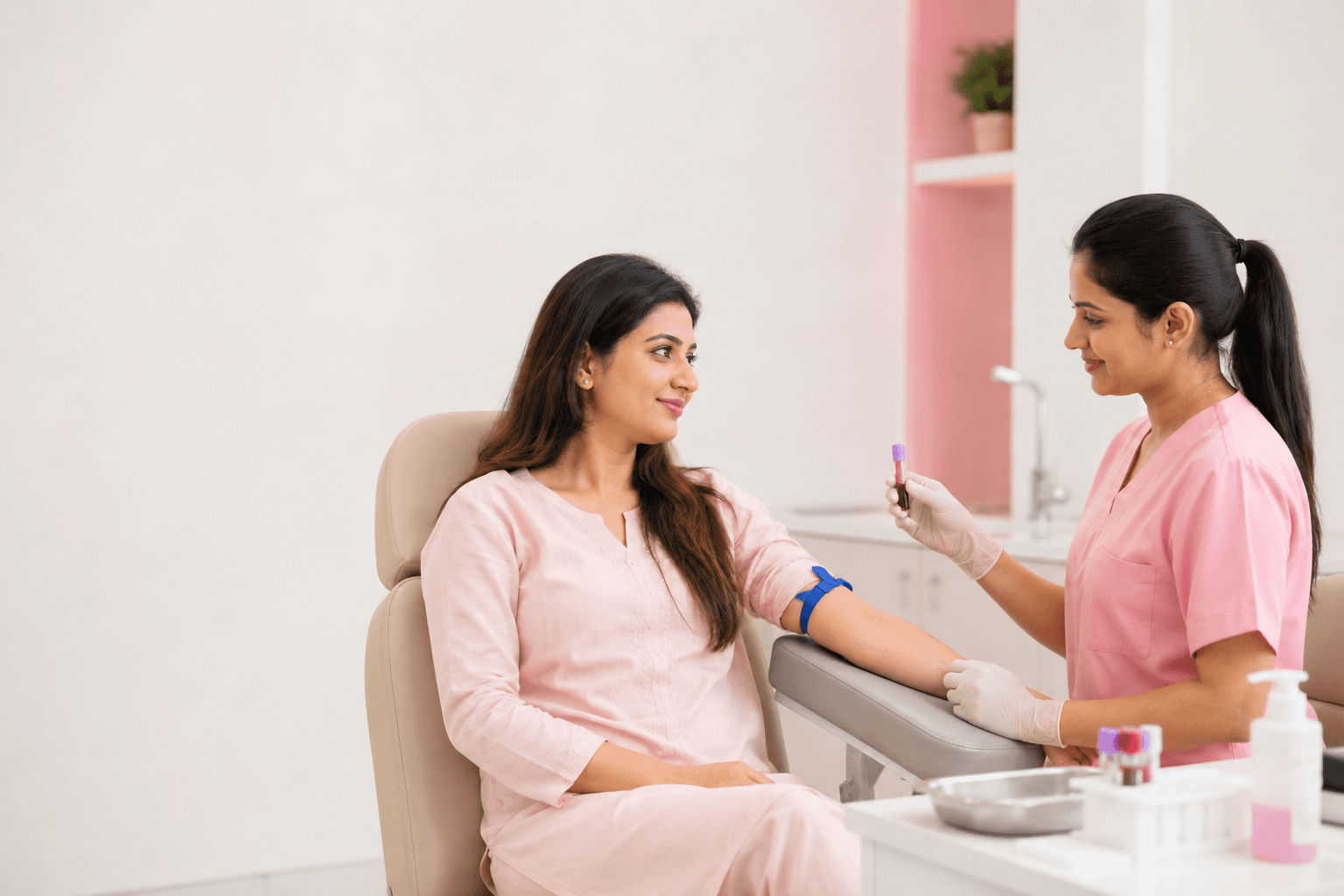
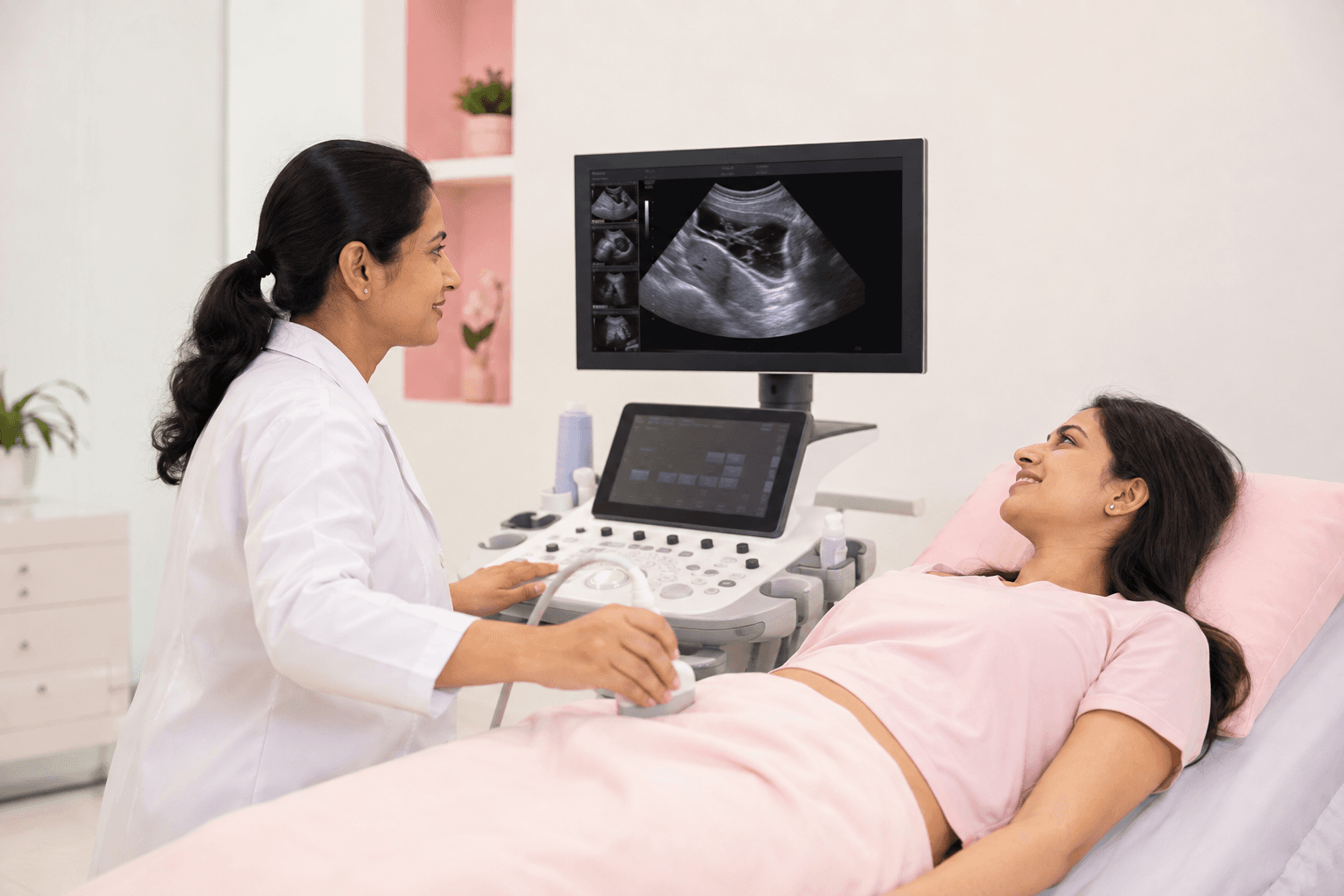
Ultrasound scans monitor follicle number, follicle size, ovarian response, and endometrial lining. Hormonal blood tests may also be used when clinically required.
Step 4 – Trigger Injection
When follicles reach an appropriate stage, a trigger injection is administered to support final egg maturation. Egg retrieval is then scheduled.
Step 5 – Egg Retrieval
Eggs are collected from the ovaries using ultrasound guidance under sedation or anaesthesia. The collected eggs are transferred to the embryology laboratory.
Step 6 – Semen Collection
A semen sample is collected from the male partner and processed in the laboratory. In selected male infertility cases, surgically retrieved sperm may be used.
Step 7 – Fertilisation
Eggs and sperm are brought together in the embryology laboratory. Fertilisation may be achieved through conventional IVF or ICSI where clinically indicated.
Step 8 – Embryo Culture
After fertilisation, embryos are monitored in the embryology laboratory. Embryologists observe their development over the following days.
Step 9 – Embryo Selection
Embryos are assessed according to their development and laboratory characteristics. Embryos may be transferred, frozen for future use, or biopsied for genetic testing.
Step 10 – Embryo Transfer
A selected embryo may be transferred into the uterus using a thin catheter. The procedure is generally brief and usually does not require anaesthesia.
Step 11 – Embryo Freezing
Suitable additional embryos may be frozen for future use when appropriate, such as when a frozen embryo transfer is preferred or genetic testing is being performed.
Step 12 – Pregnancy Test
A pregnancy blood test is performed after embryo transfer according to the timeline advised by your fertility specialist. Further monitoring is arranged if the pregnancy test is positive.
Benefits
- Addresses a wide range of fertility factors — including male-factor infertility, blocked fallopian tubes, and ovulation disorders
- Allows additional screening such as genetic testing of embryos (PGT) where appropriate
- Can incorporate ICSI, PICSI or IMSI for suitable cases, improving outcomes for male-factor infertility
- Provides more control and monitoring than less involved fertility treatments
- Offers the highest success rates of any fertility treatment for appropriate candidates
- Can be combined with donor eggs, donor sperm, or donor embryos when needed
- Allows embryo freezing (vitrification) for future cycles, preserving fertility for later use
Things to know
- Involves a structured, multi-step process over several weeks with multiple clinic visits
- Response to ovarian stimulation varies between individuals — not every cycle produces the expected number of eggs
- Not every cycle results in pregnancy on the first attempt — some patients may require multiple cycles
- Involves daily injectable medication and regular monitoring visits
- Adds to the cost of treatment compared to simpler options like IUI
- Embryo transfer success depends on multiple factors including embryo quality and uterine receptivity
- Some patients may experience mild side effects from stimulation medication
- The process can be emotionally demanding — support is available throughout
Getting ready
Before starting IVF, both partners generally undergo fertility assessment. Female fertility evaluation may include AMH, FSH, LH, Estradiol, thyroid testing, prolactin where required, pelvic ultrasound, antral follicle count, uterine evaluation, and other investigations depending on history.
The male partner may undergo semen analysis, sperm concentration assessment, motility assessment, morphology assessment, hormonal testing in selected cases, and additional investigations when required.
Your doctor may also review previous pregnancies, miscarriages, previous fertility treatment, menstrual history, surgeries, medical conditions, current medications, and family history. This information helps personalise the IVF protocol.
Lifestyle factors such as diet, exercise, and stress management may also be discussed. Dr. Rai may recommend certain supplements or lifestyle modifications to optimise your chances of success.
What to expect
Stimulation typically involves daily injectable medication over roughly one to two weeks, with periodic monitoring by ultrasound and blood tests. Egg retrieval is a short, sedated procedure taking about 15-20 minutes — you'll be able to go home the same day. After fertilisation, embryos are cultured for several days before transfer, which is a quick, generally painless procedure done without sedation. A pregnancy test follows around two weeks later. Throughout the process, Dr. Rai and the IVF team will be with you, explaining each step and answering any questions. Not every cycle produces the expected number of eggs, and not every egg fertilises or develops into a transferable embryo.
IVF Treatment in Noida
Personalised IVF treatment and fertility care for couples trying to conceive at Divine IVF, Sector 76, Noida.
📍 Sector 76, Noida, Uttar Pradesh
📞 Call: +91 7678451808
What Is IVF Treatment?
IVF stands for In Vitro Fertilisation.
It is an assisted reproductive treatment in which eggs are collected from the ovaries and fertilised with sperm in an embryology laboratory.
The resulting embryos are monitored for development, and a suitable embryo may later be transferred into the uterus.
A typical IVF cycle may involve:
- Fertility evaluation
- Ovarian stimulation
- Ultrasound monitoring
- Trigger injection
- Egg retrieval
- Sperm collection
- Fertilisation
- Embryo culture
- Embryo transfer or embryo freezing
- Pregnancy testing
The exact treatment protocol varies from patient to patient.
Who May Need IVF Treatment?
IVF may be considered for several different fertility conditions.
Blocked or Damaged Fallopian Tubes
Fallopian tubes normally allow sperm and egg to meet. If both tubes are blocked or significantly damaged, natural fertilisation may become difficult or impossible. IVF bypasses the fallopian tubes by allowing fertilisation to occur in the laboratory.
Male Factor Infertility
IVF may be considered when semen analysis shows problems such as low sperm count, poor sperm motility, abnormal sperm morphology, or other significant sperm-related concerns. In more severe male-factor infertility, IVF may be combined with ICSI.
Ovulation Disorders
Women with irregular or absent ovulation may initially be treated with simpler fertility options. IVF may be considered when other treatments are unsuccessful or when additional fertility factors are present.
Endometriosis
Endometriosis can affect the ovaries, fallopian tubes and pelvic environment. Depending on age, severity and fertility history, IVF may be considered.
Reduced Ovarian Reserve
Women with reduced ovarian reserve may have fewer eggs available. Treatment decisions depend on age, AMH, antral follicle count, previous ovarian response, and overall fertility history. IVF may be discussed when clinically appropriate.
Unexplained Infertility
Sometimes routine fertility tests do not reveal a definite cause. Depending on the duration of infertility, age and previous treatment, IVF may be considered.
Repeated IUI Failure
If properly selected IUI cycles have been unsuccessful, IVF may be the next treatment option depending on the couple`s fertility profile.
Certain Genetic Conditions
IVF may also be required when Preimplantation Genetic Testing (PGT) is planned for selected inherited genetic or chromosomal conditions.
Fertility Preservation
IVF techniques may also be used for fertility preservation through egg or embryo freezing in appropriate situations.
When Should You Consider IVF?
You may consider discussing IVF with a fertility specialist if:
The appropriate timing of IVF depends on your individual fertility evaluation.
IVF vs Other Fertility Treatments
IVF vs IUI – What Is the Difference?
IUI
- • Prepared sperm is placed into the uterus
- • Fertilisation occurs inside the body
- • Egg retrieval is not required
- • Less invasive
- • Suitable for selected mild fertility problems
IVF
- • Eggs are collected from the ovaries
- • Fertilisation occurs in a laboratory
- • Embryos are cultured before transfer
- • More intensive monitoring is required
- • Suitable for more complex fertility problems
The appropriate treatment depends on the fertility diagnosis.
IVF vs ICSI
IVF and ICSI differ mainly in the method of fertilisation.
Conventional IVF
Sperm are placed with eggs and must fertilise them without direct injection.
ICSI
One selected sperm is injected directly into a mature egg. Commonly considered when significant male-factor infertility or previous fertilisation difficulty is present.
IVF vs IMSI
IMSI is an advanced sperm-selection technique that may be used in selected IVF-ICSI cycles. It involves more detailed morphological assessment of sperm before ICSI. IMSI is not required for every IVF patient and should only be considered when clinically appropriate.
Fresh Embryo Transfer vs Frozen Embryo Transfer
Fresh Embryo Transfer
An embryo is transferred during the same IVF cycle in which eggs were retrieved.
Frozen Embryo Transfer
Suitable embryos are frozen and transferred during a later cycle.
The appropriate approach depends on ovarian response, endometrial condition, hormonal levels, embryo testing, medical considerations, and individual treatment plan. Neither method is automatically best for every patient.
IVF for Specific Conditions
IVF for Male Infertility
Male-factor infertility is one of the situations where IVF may be considered. Depending on sperm parameters, treatments can include conventional IVF, IVF with ICSI, surgical sperm retrieval with ICSI, or other laboratory techniques in selected cases. A semen analysis and male fertility evaluation help determine the appropriate approach.
IVF for Blocked Fallopian Tubes
IVF can bypass blocked fallopian tubes because eggs are retrieved directly from the ovaries and fertilised in the laboratory. A detailed evaluation is important to assess whether any tubal condition needs treatment before IVF.
IVF for Endometriosis
Women with endometriosis may experience fertility problems because the condition can affect ovaries, fallopian tubes, pelvic anatomy, and egg reserve. IVF may be discussed depending on age, ovarian reserve, previous surgery and duration of infertility.
IVF for PCOS
Women with PCOS often have ovulation problems. Many patients may conceive with simpler treatments. IVF may be considered if other fertility treatments have failed, additional infertility factors are present, there is significant male-factor infertility, or the overall fertility profile indicates IVF. Careful ovarian stimulation and monitoring are especially important in patients with a high ovarian response.
IVF for Low AMH
A low AMH result may indicate reduced ovarian reserve. However, AMH alone does not determine whether pregnancy is possible. Your fertility specialist also considers age, antral follicle count, previous treatment response, egg quality factors, semen parameters, and overall reproductive history. The IVF protocol can then be personalised accordingly.
IVF Success Rate
There is no single IVF success percentage that applies to every patient. IVF outcomes depend on multiple factors.
No clinic can guarantee an IVF pregnancy or live birth.
How Many IVF Cycles May Be Needed?
The number of IVF cycles required varies between patients. Some patients may achieve pregnancy after one treatment cycle, while others may need more than one attempt.
Factors influencing this include:
Your treatment plan should be reassessed after each cycle.
Understanding IVF: Pain, Side Effects, and Risks
Is IVF Painful?
IVF involves several stages and experiences vary. Ovarian stimulation requires fertility medicine injections that may cause temporary discomfort. Ultrasound monitoring is generally well tolerated. Egg retrieval is normally performed with sedation or anaesthesia, so discomfort during the procedure is minimised. Embryo transfer is usually a brief procedure and most patients experience minimal discomfort.
Possible Side Effects of IVF Medicines
Fertility medicines may cause temporary symptoms such as bloating, mild abdominal discomfort, mood changes, breast tenderness, headache, and injection-site reactions. Your treatment team monitors ovarian response to reduce risks.
What Is OHSS?
Ovarian Hyperstimulation Syndrome (OHSS) is a potential complication of ovarian stimulation. It occurs when the ovaries respond excessively to fertility medicines. Symptoms can range from mild abdominal bloating to more significant symptoms in uncommon severe cases. Modern monitoring and personalised stimulation protocols are used to reduce the risk.
Is IVF Safe?
IVF is an established assisted reproductive treatment, but like any medical procedure it has potential risks. These may include medication side effects, OHSS, procedure-related complications, multiple pregnancy if multiple embryos are transferred, ectopic pregnancy, and emotional and financial stress. Your individual risks should be discussed before starting treatment.
IVF Treatment Cost in Noida
The IVF treatment cost in Noida varies depending on the treatment protocol and services required. The total IVF cost may include:
Additional costs may apply if treatment requires:
Before starting IVF, ask for a clear breakdown of what is included and what may be charged separately.
What Should You Ask Before Starting IVF?
Before beginning treatment, consider asking:
Clear communication helps patients make informed fertility decisions.
Preparing for IVF Treatment
Your doctor may recommend measures such as:
No diet or supplement can guarantee IVF success.
Why Choose Divine IVF for IVF Treatment
- ✓Personalised IVF Treatment Planning — The IVF protocol is selected according to your fertility diagnosis, age, ovarian reserve and previous treatment response.
- ✓Evaluation of Both Partners — Female and male fertility factors are assessed before treatment.
- ✓Advanced Fertility Treatment Options — Depending on clinical need, treatment may include IVF, ICSI, IMSI, embryo freezing, genetic testing/PGT, sperm retrieval, and other fertility treatments.
- ✓Fertility Care Under Dr. Mandavi Rai — Treatment planning is provided under the guidance of Dr. Mandavi Rai, Gynecologist & IVF Specialist in Noida.
- ✓Fertility Investigation Before Treatment — Patients are evaluated before IVF so that treatment is not started without understanding the fertility factors involved.
- ✓Convenient Location in Sector 76, Noida — Divine IVF is located in Sector 76, Noida, for patients seeking IVF and fertility treatment in Noida and surrounding areas.
Book an IVF Consultation in Noida
If you are having difficulty conceiving or have been advised to consider IVF, the first step is a detailed fertility evaluation. At Divine IVF, Sector 76, Noida, Dr. Mandavi Rai provides personalised IVF treatment planning according to your fertility history, investigation results and reproductive goals.
Divine IVF · Sector 76, Noida, Uttar Pradesh
Resources
Common questions
IVF is a fertility treatment in which eggs are collected from the ovaries and fertilised with sperm in a laboratory. A suitable embryo may later be transferred into the uterus.
IVF may be considered for blocked fallopian tubes, significant male-factor infertility, endometriosis, reduced ovarian reserve, unexplained infertility, unsuccessful IUI treatment and several other fertility conditions.
The exact duration varies depending on the treatment protocol. A full IVF cycle typically takes about 4-6 weeks from the start of ovarian stimulation to the pregnancy test.
IVF involves injections and procedures, but discomfort is generally managed through monitoring, medication and sedation or anaesthesia for egg retrieval. Most patients tolerate IVF well.
In conventional IVF, sperm fertilise the egg without direct injection. In ICSI, an embryologist injects a selected sperm directly into a mature egg.
No. ICSI is generally used when there is a clinical indication, such as significant male-factor infertility or previous fertilisation problems.
IVF may still be considered in women with low AMH, but expected ovarian response and treatment outcome depend on age, ovarian reserve and several other factors.
Yes. IVF bypasses the fallopian tubes because fertilisation takes place in the laboratory.
Yes. IVF, often combined with ICSI where appropriate, can be used for selected male fertility problems.
The number should be decided individually based on factors such as age, embryo development and medical guidance. Transferring more embryos can increase the risk of multiple pregnancy.
No. In some cycles, embryos are frozen and transferred later in a frozen embryo transfer cycle.
Yes, Preimplantation Genetic Testing (PGT) may be performed in selected cases where there is an appropriate indication.
No. IVF cannot guarantee pregnancy or live birth. Treatment outcomes depend on age, egg and sperm factors, embryo development, uterine health and other clinical factors.
IVF cost varies according to medicines, investigations, laboratory treatment and whether additional procedures such as ICSI, embryo freezing, PGT or sperm retrieval are required.
Consider the fertility specialist's approach, diagnostic evaluation, embryology services, treatment transparency, laboratory standards, communication and whether treatment is personalised to your fertility condition.
You can consult Dr. Mandavi Rai at Divine IVF, Sector 76, Noida for fertility evaluation and personalised IVF treatment planning.
Ready to talk to Dr. Mandavi Rai?
Bring your questions, your history, and your pace — we`ll build the next step together.