
Sperm Retrieval in Noida Advanced sperm retrieval options for selected male infertility and azoospermia cases
For some men, sperm may be absent from the semen or present in extremely low numbers even though sperm may still be available within the epididymis or testicular tissue. In selected cases, Sperm Retrieval in Noida may be considered to obtain sperm for assisted reproductive treatment such as IVF with ICSI.
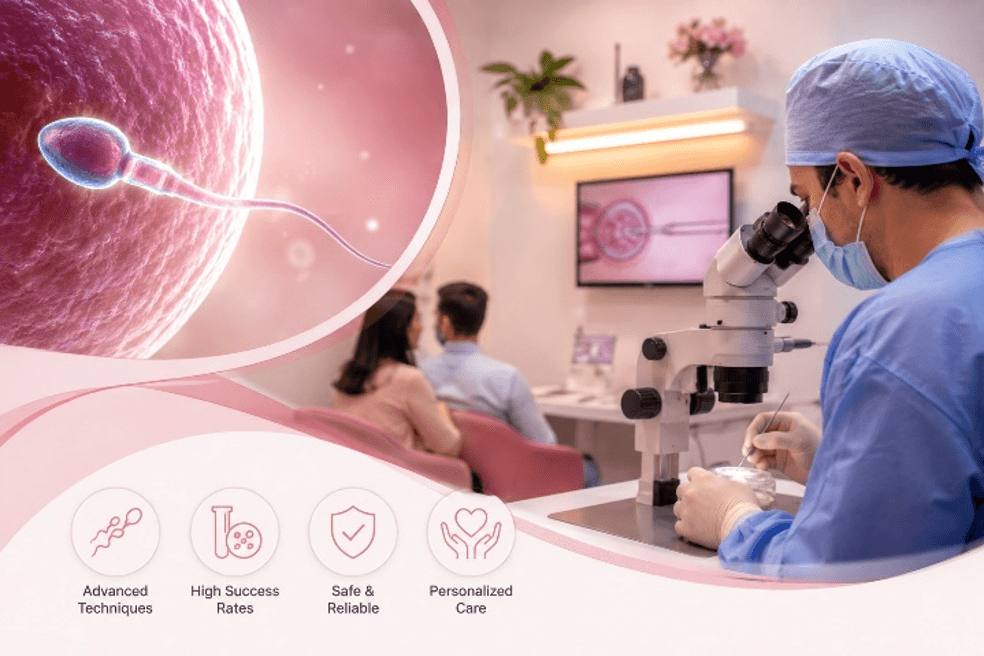
What is Sperm Retrieval?
Sperm retrieval refers to procedures used to obtain sperm directly from the male reproductive tract when usable sperm cannot be obtained through ejaculation. Sperm may be retrieved from the epididymis or testicular tissue.
Depending on the condition, techniques may include PESA, TESA, TESE, and Micro-TESE. The sperm obtained may be used fresh or frozen depending on the treatment plan and laboratory findings.
Retrieved sperm are commonly used with ICSI – Intracytoplasmic Sperm Injection because only a limited number of sperm may be available.
At Divine IVF, Sector 76, Noida, Dr. Mandavi Rai provides couple-based fertility evaluation and treatment planning for male-factor infertility. Depending on the cause of azoospermia, semen-analysis findings and male fertility evaluation, procedures such as PESA, TESA, TESE or Micro-TESE may be discussed with an appropriate male fertility/urology specialist where required.
How it works
Step 1 – Male Fertility Evaluation
The first step is to determine why sperm are absent or extremely low in the semen through semen analysis, hormonal testing, physical examination, and genetic testing.
Step 2 – Couple Fertility Assessment
Because sperm retrieval is generally performed for IVF-ICSI treatment, the female partner's fertility is also evaluated including age, AMH, ovarian reserve, ultrasound, and uterine health.
Step 3 – Selection of Retrieval Technique
Depending on the diagnosis, the fertility and male reproductive specialist may discuss PESA, TESA, TESE, or Micro-TESE.
Step 4 – Procedure Planning
The retrieval may be coordinated with the female partner's IVF cycle, egg retrieval, sperm freezing strategy, and embryology laboratory availability.
Step 5 – Anaesthesia or Local Pain Control
The type of anaesthesia depends on the procedure. Minor aspiration procedures may use local anaesthesia, while more extensive surgical procedures may require additional sedation or anaesthesia.
Step 6 – Sperm Retrieval
Tissue or fluid is collected from the epididymis or testis according to the chosen technique.
Step 7 – Laboratory Examination
The embryology team examines the sample for usable sperm. Finding sperm is not guaranteed in every case.
Step 8 – ICSI
If usable sperm are found and eggs are available, sperm may be used for ICSI where a selected sperm is injected directly into a mature egg.
Step 9 – Sperm Freezing if Appropriate
Additional sperm may be frozen when enough viable sperm are available and cryopreservation is considered appropriate.
Step 10 – Follow-Up
After the procedure, the patient receives instructions regarding pain management, wound care, activity restrictions, follow-up, and warning symptoms.
Benefits
- Can enable biological parenthood even with no sperm in the ejaculate — offering hope for men with azoospermia
- Retrieved sperm can be frozen for future cycles, avoiding the need to repeat the procedure each time
- Performed as a minor, generally same-day procedure with minimal recovery time
- Various techniques available to suit different causes of azoospermia
- Can be combined with ICSI to achieve fertilisation even when sperm numbers are very low
- Offers the possibility of genetic parenthood for men who have had a vasectomy
Things to know
- Sperm is not always found during retrieval — the success rate depends on the underlying cause of azoospermia and the technique used
- As with any surgical procedure, involves standard risks including bleeding, infection, and discomfort that Dr. Rai will explain beforehand
- Typically used together with ICSI, not conventional IVF fertilisation — the retrieved sperm is injected directly into the egg
- Some causes of non-obstructive azoospermia may be genetic and could be passed on to children — genetic counselling is recommended
- The success of the procedure depends on the quality and quantity of sperm retrieved
- Multiple retrieval attempts may be needed in some cases
- Recovery time and discomfort vary depending on the technique used — TESE and Micro-TESE generally involve more recovery than PESA or TESA
- Micro-TESE and TESE can affect testosterone production in some men, particularly those who already have impaired testicular function
Getting ready
A detailed male fertility evaluation is important before surgery. Tests may include semen analysis (to confirm azoospermia), medical history review (previous fertility, childhood testicular conditions, infections, surgeries, vasectomy, trauma, cancer treatment, medications), hormonal testing (FSH, LH, testosterone, prolactin), physical examination (testicular size, epididymis, vas deferens, varicocele), ultrasound, and genetic testing in selected cases.
Because sperm retrieval is generally performed for IVF-ICSI treatment, the female partner's fertility should also be evaluated including age, AMH, ovarian reserve, ultrasound, uterine health, and other fertility factors.
You'll receive specific instructions about fasting and medication before the procedure. Most retrieval procedures are performed under local or general anaesthesia, so you'll need to arrange for someone to drive you home afterward.
Genetic counselling and testing may be recommended before the procedure, particularly if non-obstructive azoospermia is suspected, as some causes may be genetic and could be passed on to children.
What to expect
Retrieval procedures are typically done under local or general anaesthesia depending on the specific technique used, with most patients returning home the same day. The procedure itself takes 15-30 minutes. Some mild discomfort, swelling, or bruising afterward is common and usually resolves within a few days. You'll be given specific post-procedure care instructions, including activity restrictions and pain management guidance. After minor aspiration procedures, many men may resume routine activities relatively quickly. After TESE or Micro-TESE, recovery may take longer.
Sperm Retrieval in Noida
Advanced sperm retrieval options for selected male infertility and azoospermia cases at Divine IVF, Sector 76, Noida.
📍 Sector 76, Noida, Uttar Pradesh
📞 Call: +91 7678451808

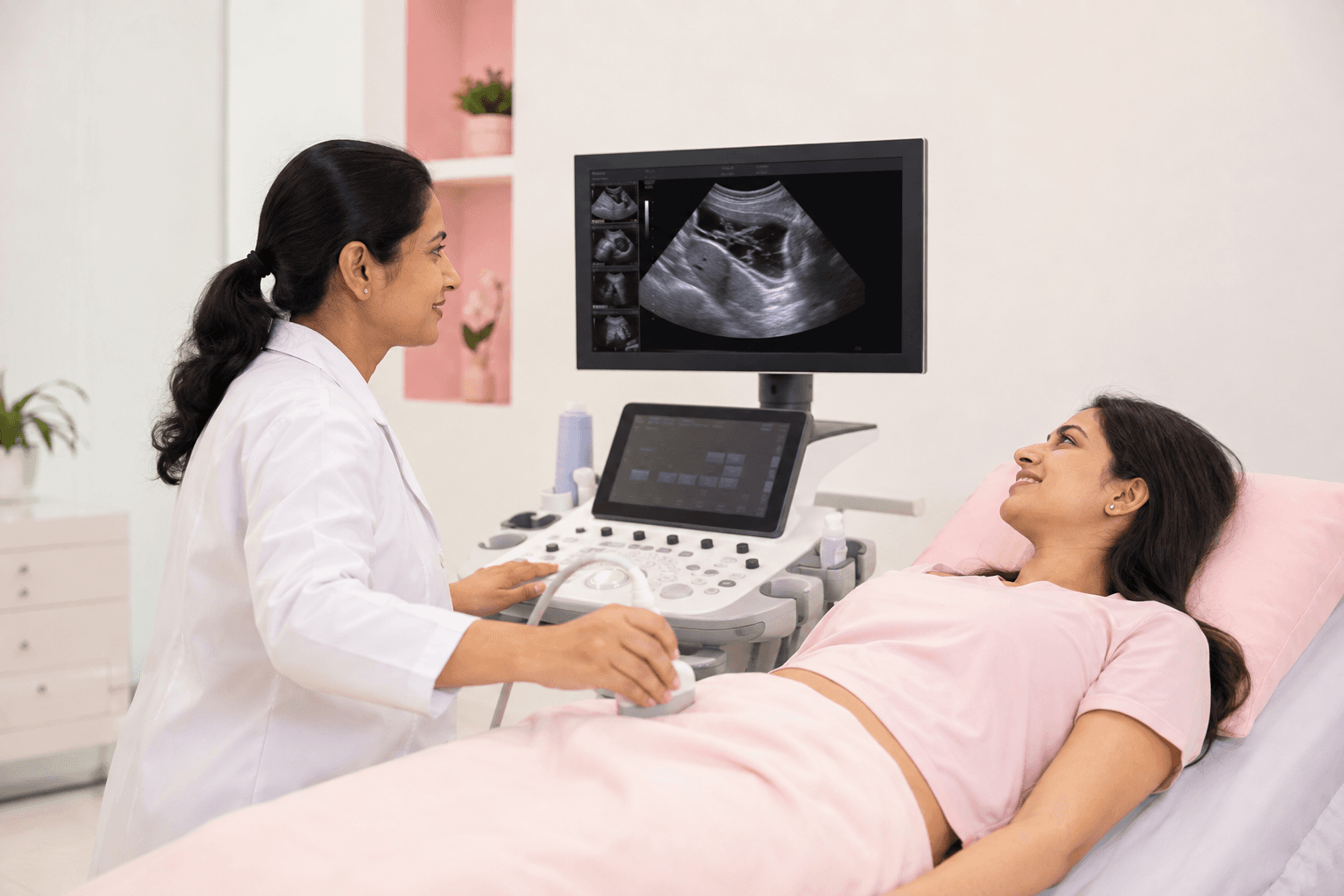
What Is Sperm Retrieval?
Sperm retrieval refers to procedures used to obtain sperm directly from the male reproductive tract when usable sperm cannot be obtained through ejaculation.
Sperm may be retrieved from:
- Epididymis
- Testicular tissue
Depending on the condition, techniques may include:
- PESA — Percutaneous Epididymal Sperm Aspiration
- TESA — Testicular Sperm Aspiration
- TESE — Testicular Sperm Extraction
- Micro-TESE — Microdissection Testicular Sperm Extraction
The sperm obtained may be used fresh or frozen depending on the treatment plan and laboratory findings.
Retrieved sperm are commonly used with ICSI – Intracytoplasmic Sperm Injection because only a limited number of sperm may be available.
Who May Need Sperm Retrieval?
Surgical sperm retrieval may be considered in selected male fertility situations.
Azoospermia
Azoospermia means that no sperm are detected in the ejaculate. It can broadly be classified into obstructive azoospermia and non-obstructive azoospermia. The treatment approach differs depending on the cause.
Obstructive Azoospermia
In obstructive azoospermia, sperm production may be present but a blockage prevents sperm from reaching the ejaculate. Possible causes include previous vasectomy, congenital reproductive-tract blockage, previous infection, previous surgery, injury, and certain structural abnormalities. In selected obstructive cases, sperm may be retrieved from either the epididymis or testis.
Non-Obstructive Azoospermia
In non-obstructive azoospermia, sperm production within the testes is severely reduced or absent in many areas. Possible causes may include genetic abnormalities, hormonal disorders, testicular failure, previous chemotherapy, radiation treatment, undescended testes, and certain severe testicular conditions. In these cases, more specialised retrieval techniques such as Micro-TESE may be considered.
Other Reasons Sperm Retrieval May Be Required
Sperm retrieval may also be discussed in situations such as extremely low sperm count, ejaculatory dysfunction, retrograde ejaculation in selected cases, previous vasectomy, certain spinal cord injuries, inability to produce a semen sample, ejaculatory duct obstruction, and fertility preservation in selected medical situations.
A proper diagnosis should be made before deciding on surgery.
Types of Sperm Retrieval Procedures
PESA – Percutaneous Epididymal Sperm Aspiration
PESA is a sperm retrieval procedure in which sperm-containing fluid is aspirated from the epididymis using a fine needle. It may be considered in selected men with obstructive azoospermia when sperm production is expected to be normal. PESA does not involve a large surgical incision.
Who May Be Suitable for PESA?
PESA may be considered in cases such as obstructive azoospermia, previous vasectomy, certain congenital reproductive tract blockages, and other epididymal obstruction conditions. Suitability depends on the individual diagnosis.
TESA – Testicular Sperm Aspiration
TESA stands for Testicular Sperm Aspiration. During TESA, a needle is inserted into the testis to obtain tissue or fluid that may contain sperm. The collected material is examined in the laboratory to identify usable sperm. TESA may be considered in selected cases where testicular sperm retrieval is appropriate.
TESE – Testicular Sperm Extraction
TESE involves removing a small sample of testicular tissue through a surgical procedure. The laboratory examines the tissue for sperm. TESE may be considered in selected men with azoospermia depending on the suspected cause and previous fertility evaluation.
Micro-TESE – Microdissection Testicular Sperm Extraction
Micro-TESE is a more specialised surgical technique used particularly in selected cases of non-obstructive azoospermia. During Micro-TESE, testicular tissue is examined under magnification, the surgeon identifies seminiferous tubules that appear more likely to contain sperm, small tissue samples are collected, and the embryology laboratory examines those samples for sperm.
Micro-TESE is intended to search more selectively for areas of sperm production. For men with non-obstructive azoospermia, sperm production can be limited to very small areas within the testis. This makes simple aspiration less suitable in some cases. Micro-TESE allows a targeted search of testicular tissue and is commonly considered when there is a possibility that small areas of sperm production remain. However, sperm retrieval cannot be guaranteed.
Comparing Sperm Retrieval Techniques
PESA vs TESA
PESA
- • Sperm are retrieved from the epididymis
- • Often considered for obstructive azoospermia
- • Uses needle aspiration
- • Does not require testicular tissue extraction
TESA
- • Sperm are retrieved directly from the testis
- • Uses needle aspiration
- • May be considered depending on the underlying diagnosis
The appropriate technique depends on where sperm are expected to be found.
TESA vs TESE
TESA
A needle is used to aspirate testicular material.
TESE
A small surgical opening is made and testicular tissue is removed for laboratory examination. TESE provides direct tissue sampling and may be used when aspiration is insufficient or not appropriate.
TESE vs Micro-TESE
Conventional TESE
Small samples of testicular tissue are surgically removed.
Micro-TESE
Testicular tissue is examined under surgical magnification to identify areas more likely to contain sperm. Especially relevant in selected men with non-obstructive azoospermia.
Sperm Retrieval and ICSI
Retrieved sperm are generally used with ICSI.
During ICSI:
- Eggs are retrieved from the female partner
- An embryologist selects a sperm
- The selected sperm is injected directly into a mature egg
- Fertilisation is monitored
- Resulting embryos are cultured
- A suitable embryo may later be transferred
ICSI is particularly useful because surgically retrieved sperm may be available only in limited numbers.
Important Questions About Retrieved Sperm
Can Retrieved Sperm Be Used for IVF Without ICSI?
In most surgical sperm-retrieval cases, ICSI is typically the preferred fertilisation technique. This is because retrieved sperm may be limited in number, motility may be reduced, and the sperm may not be able to fertilise an egg effectively through conventional IVF. The embryology team decides the appropriate fertilisation method based on sperm availability and quality.
Can Retrieved Sperm Be Frozen?
Yes, sperm obtained through retrieval procedures may sometimes be cryopreserved for future fertility treatment. Whether freezing is appropriate depends on the number of sperm retrieved, sperm quality, cause of azoospermia, IVF treatment timing, and laboratory recommendations. In some non-obstructive azoospermia cases, retrieval may be coordinated closely with the female partner`s IVF cycle because only very limited sperm may be found.
Tests Before Sperm Retrieval
A detailed male fertility evaluation is important before surgery.
Semen Analysis
Semen analysis confirms whether sperm are present and evaluates other semen parameters. A diagnosis of azoospermia generally requires appropriate laboratory evaluation rather than relying on one unverified result.
Medical History
The doctor may review previous fertility, childhood testicular conditions, undescended testes, infections, surgeries, vasectomy, trauma, cancer treatment, medications, and sexual and ejaculation history.
Hormonal Testing
Hormonal tests may include FSH, LH, testosterone, prolactin, and other hormones when clinically indicated. These can provide information about testicular function and sperm production.
Physical Examination
Clinical evaluation may assess testicular size, epididymis, vas deferens, varicocele, and other reproductive tract findings.
Ultrasound
Scrotal or reproductive tract ultrasound may be recommended in selected cases.
Genetic Testing
Genetic evaluation may be advised in men with severe sperm abnormalities or non-obstructive azoospermia. Testing may include selected investigations depending on the clinical findings and suspected cause. Genetic counselling may also be appropriate in certain cases.
Sperm Retrieval: Pain, Recovery, and Risks
Is Sperm Retrieval Painful?
Discomfort depends on the procedure. PESA and TESA are relatively less invasive procedures, while TESE and Micro-TESE involve surgical tissue retrieval. Anaesthesia or pain-control measures are used to minimise discomfort during treatment. Temporary soreness, swelling or bruising may occur afterward.
Recovery After Sperm Retrieval
Recovery varies depending on the technique. After minor aspiration procedures, many men may resume routine activities relatively quickly. After TESE or Micro-TESE, recovery may take longer. Your doctor may advise temporarily avoiding heavy exercise, strenuous activity, sexual intercourse, and heavy lifting. Follow the specific post-procedure advice provided by your treating doctor.
Risks of Surgical Sperm Retrieval
Possible risks can include pain, swelling, bruising, bleeding, infection, haematoma, temporary discomfort, and testicular tissue injury. More extensive procedures may have additional risks. Micro-TESE and TESE can also affect testosterone production in some men, particularly those who already have impaired testicular function.
Does Sperm Retrieval Always Find Sperm?
No.
The possibility of finding sperm depends greatly on the cause of infertility. Sperm retrieval tends to be more predictable in obstructive azoospermia because sperm production may still be normal. In non-obstructive azoospermia, sperm production may be severely impaired and successful retrieval cannot be guaranteed.
What Happens If No Sperm Are Found?
If sperm are not found, the fertility team will discuss what the findings mean and whether any other options are appropriate. Depending on the individual situation, these discussions may include further medical evaluation, genetic counselling, alternative reproductive options, and donor sperm where legally and medically appropriate. Treatment should be personalised to the couple.
Special Situations
Sperm Retrieval After Vasectomy
Men who have undergone vasectomy may sometimes use surgically retrieved sperm with IVF-ICSI instead of vasectomy reversal. The appropriate option depends on time since vasectomy, female partner`s age, female fertility status, couple`s treatment goals, and surgical considerations. Both sperm retrieval with ICSI and vasectomy reversal may be discussed where appropriate.
Sperm Retrieval for Azoospermia
The most important step is distinguishing between obstructive azoospermia (sperm are produced but cannot reach the semen because of a blockage) and non-obstructive azoospermia (sperm production itself is significantly impaired). This distinction strongly influences which sperm retrieval procedure may be recommended.
Does Azoospermia Mean a Man Can Never Have a Biological Child?
Not necessarily. Some men with azoospermia may still have sperm available within the epididymis or testes. If usable sperm can be retrieved, they may potentially be used with ICSI. However, sperm retrieval and pregnancy cannot be guaranteed.
Sperm Retrieval Success Depends on the Cause
There is no single sperm-retrieval success percentage appropriate for every patient. The chances depend on:
It is better to discuss individual chances after completing a male fertility evaluation.
Sperm Retrieval Cost in Noida
The cost of sperm retrieval in Noida varies according to the procedure and overall fertility-treatment plan. Cost may depend on:
Micro-TESE is generally more complex than aspiration procedures, so costs can differ significantly. A personalised estimate should be provided once the appropriate retrieval technique has been identified.
Questions to Ask Before Sperm Retrieval
Before undergoing treatment, consider asking:
Why Choose Divine IVF for Sperm Retrieval Treatment Planning
- ✓Couple-Based Fertility Evaluation — Both male and female fertility factors are considered before IVF-ICSI planning.
- ✓Male Infertility Assessment — Semen analysis and additional male fertility investigations can help determine the likely cause of azoospermia.
- ✓Multiple Retrieval Options — Depending on clinical indication, techniques such as PESA, TESA, TESE or Micro-TESE may be discussed with an appropriate specialist.
- ✓IVF and ICSI Integration — Retrieved sperm can be incorporated into an IVF-ICSI treatment plan when suitable.
- ✓Personalised Treatment Planning — The retrieval technique is selected according to the underlying diagnosis rather than using the same procedure for every patient.
- ✓Fertility Care Under Dr. Mandavi Rai — Couple fertility treatment planning is provided under the guidance of Dr. Mandavi Rai, Gynecologist & IVF Specialist in Noida, with male specialist input where appropriate.
- ✓Convenient Location in Sector 76, Noida — Divine IVF is located in Sector 76, Noida, for couples seeking male infertility and advanced fertility treatment in Noida.
Book a Sperm Retrieval Consultation in Noida
If semen analysis shows azoospermia, extremely low sperm numbers or another significant male fertility problem, further evaluation can help determine whether sperm retrieval is an appropriate option. At Divine IVF, Sector 76, Noida, Dr. Mandavi Rai provides personalised couple fertility assessment and IVF-ICSI planning, with appropriate specialist evaluation for sperm retrieval when required.
Divine IVF · Sector 76, Noida, Uttar Pradesh
Resources
Common questions
Sperm retrieval refers to medical procedures used to obtain sperm directly from the epididymis or testis when usable sperm cannot be obtained through ejaculation.
PESA stands for Percutaneous Epididymal Sperm Aspiration. It retrieves sperm from the epididymis using needle aspiration and may be used in selected obstructive azoospermia cases.
TESA stands for Testicular Sperm Aspiration. It uses a needle to retrieve material directly from the testis.
TESE stands for Testicular Sperm Extraction. A small sample of testicular tissue is surgically removed and examined for sperm.
Micro-TESE is a microsurgical procedure that searches testicular tissue under magnification for areas more likely to contain sperm. It is commonly considered in selected non-obstructive azoospermia cases.
Neither is universally better. The appropriate procedure depends on whether infertility is obstructive or non-obstructive and on the underlying diagnosis.
Sometimes. The likelihood depends on whether azoospermia is caused by an obstruction or impaired sperm production.
Yes. Micro-TESE is a recognised sperm-retrieval approach for men with non-obstructive azoospermia when retrieval is being attempted.
Yes. Surgically retrieved sperm are commonly used with ICSI, where a selected sperm is injected directly into an egg.
In suitable cases, retrieved sperm may be frozen for future ICSI use if enough viable sperm are available.
No. Successfully retrieving sperm does not guarantee fertilisation, embryo development, implantation, pregnancy or live birth.
The procedure is performed with appropriate anaesthesia or pain control. Temporary discomfort, swelling or bruising may occur afterward.
Cost varies according to whether PESA, TESA, TESE or Micro-TESE is required and whether IVF, ICSI, sperm freezing and additional investigations are involved.
You can consult Dr. Mandavi Rai at Divine IVF, Sector 76, Noida for couple fertility assessment and treatment planning for male-factor infertility, azoospermia and IVF-ICSI.
Ready to talk to Dr. Mandavi Rai?
Bring your questions, your history, and your pace — we`ll build the next step together.